

Nearly six million homeowners insurance claims are filed per year on average.1 While home insurance provides crucial financial protection, many of these claims stem from common issues that occur time and again: water damage, wind and hail destruction, fire, and liability incidents.
Water damage
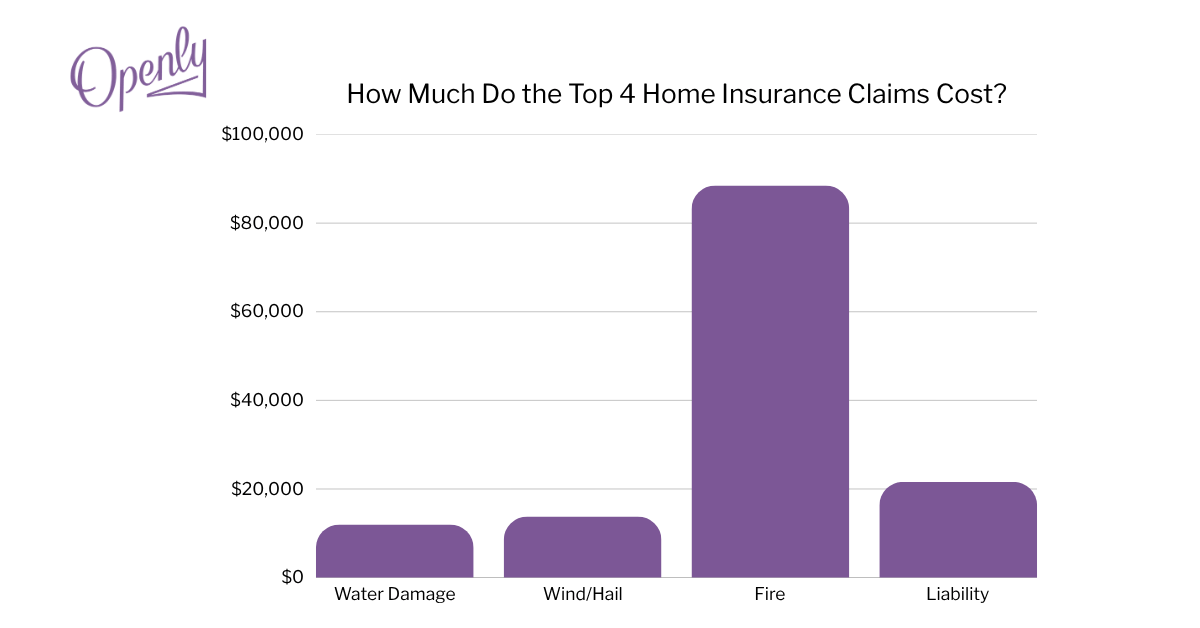
Water damage is consistently one of the most common homeowners insurance claims, accounting for a significant portion of all claims filed each year. The average water damage claim costs between $10,000 and $15,000, though severe cases can run much higher.3 What makes water damage particularly insidious is that it often starts small—a minor leak that goes unnoticed—and gradually causes extensive damage over time.
Common causes of water damage claims include:
- Leaky aging roofs
- Poor seals and caulking
- Burst or frozen pipes
- Plumbing failures
- Appliance malfunctions
How to prevent water damage
- Check for missing roof shingle granules after storms
- Know age and lifespan of appliances
- Clean gutters regularly
- Seal flashing around chimneys and vents
- Insulate pipes in unheated areas to prevent freezing
- Know where your main water shutoff valve is located
- Inspect your roof and attic after major storms
- Maintain proper attic ventilation to prevent moisture buildup
Wind and hail damage
Wind and hail damage represents the second most common type of homeowners insurance claim. These weather-related losses are particularly costly, averaging $12,000 according to the Insurance Information Institute.4
How wind and hail damage your roof
Maintaining the integrity of your roof is a race against time and the elements. As roofing materials age, they undergo chemical and physical changes—primarily due to UV exposure and temperature fluctuations—that cause them to become brittle and lose their essential flexibility. Once this protective layer weakens, your home becomes vulnerable to several specific types of structural failure.
Key signs of an aging or failing roof include:
- Environmental vulnerabilities:
- Wind uplift—Brittle shingles are less likely to stay sealed, allowing high winds to catch the edges and peel them back.
- Impact damage—When materials lose their "give," even small hail or falling branches can cause fractures rather than simple bounces.
- Flying debris—During storms, aged shingles lack the resilience to withstand the abrasive force of wind-borne objects.
- Physical deterioration:
- Granule loss—The protective mineral coating often sheds as the underlying asphalt dries out, leaving the shingle exposed to rapid sun damage.
- Cracked shingles—Stress from rapid heating and cooling creates deep fissures in aged materials, providing a direct path for water intrusion.
Shingles that would have withstood moderate winds when new can blow off easily after years of sun exposure and temperature cycling. Similarly, aging shingles can be more likely to be damaged when struck by hail.
How to protect against wind and hail
- Upgrade to impact-resistant shingles in high-risk areas
- Secure loose shingles before storm season
- Trim overhanging tree branches that could fall on your roof
- Ensure proper roof-to-wall connections in hurricane-prone areas
- Remove or secure outdoor items that could become projectiles in high winds
- Consider a wind mitigation inspection to identify vulnerabilities
Fire and lightning damage
While fire claims are less frequent than water or wind damage, they're among the most devastating and expensive homeowners insurance claims. The average fire claim exceeds $88,000, and total losses can easily reach hundreds of thousands of dollars.5
Causes of fire damage include:
- Ember ignition
- Lightning strikes
- Accumulated debris
- Deteriorated materials
- Poor ventilation
Your roof's age and condition significantly affect fire risk. In wildfire-prone areas, windblown embers can land on roofs and ignite accumulated debris, dried-out shingles, or exposed wood. Once a fire takes hold on your roof, it can spread rapidly into your attic and throughout your home.
Fire prevention tips
- Clear debris from roof and gutters
- Install ember-resistant vents
- Use fire-rated materials for replacements
- Create defensible space by clearing vegetation within 30-100 feet of your home
- Keep tree branches at least 10 feet away from your roof
- Store firewood at least 30 feet from your home
- Ensure smoke detectors are working and have a current fire extinguisher
Liability claims
While property damage claims get the most attention, liability claims represent a significant portion of homeowners insurance activity. Liability claims occur when someone is injured on your property or when you're held responsible for damage to someone else's property. The average liability payout ranges from $10,000 to $30,000, though serious injuries can result in much larger settlements.6
Understanding these risks—and how to mitigate them—is essential for any homeowner:
- Common liability risks:
- Falling debris—Tree branches or loose roofing materials can cause significant injury or damage to a neighbor's property.
- Ice dams and icicles—Heavy buildup can fall unexpectedly, posing a major threat to anyone walking below.
- Preventative measures:
- Remove debris or hazards—Regularly clearing your yard and roof of potential projectiles or tripping hazards reduces the likelihood of an accident.
- Maintain walking surfaces—Ensuring that sidewalks, decks, and steps are structurally sound and clear of obstructions is your first line of defense against costly claims.
How to lower your liability risk
- Walk your roof yearly or hire a professional inspector
- Fix hazards like moss or slime immediately
- Ensure gutters and downspouts are securely attached
- Maintain adequate liability coverage limits
- Address drainage issues that could affect sidewalks or neighboring properties
- Keep detailed maintenance records to demonstrate responsible property management
 Theft and vandalism
Theft and vandalism claims can happen when personal belongings are stolen, windows or doors are damaged during a break-in, or parts of the home are intentionally damaged. While these claims may not always be as costly as fire or major water damage, they can still be stressful and disruptive.
Common examples include:
- Stolen electronics, jewelry, tools, or outdoor equipment
- Broken windows or damaged doors
- Garage or shed break-ins
- Vandalized siding, fencing, or exterior structures
How to reduce theft and vandalism risk
- Install deadbolts and secure window locks
- Use motion-sensor lighting around entry points
- Keep valuables out of sight from windows
- Avoid leaving ladders, tools, or equipment outside
- Consider a monitored security system
- Keep photos or records of high-value belongings
Why roof condition matters for many claims
Your roof is your home's first line of defense against the elements, but it doesn't last forever. The age and condition of your roof play a significant role in your vulnerability to insurance claims, particularly for water damage and storm-related losses.
An aging roof can cause failures through:
- Granule loss
- Shingle deterioration
- Compromised seals
- Structural degradation
- Reduced storm resistance
How to reduce your risk of a home insurance claim
The most common homeowners insurance claims share an important characteristic: many are preventable with proactive maintenance and care. Understanding these common claim types empowers you to take action before problems occur. Remember, an ounce of prevention truly is worth a pound of cure when it comes to home protection. By staying proactive about your home's maintenance—especially your roof—you reduce risk, preserve your property value, and gain peace of mind.
Ready to review your home insurance coverage and ensure you're adequately protected? Connect with an Openly-appointed independent agent today to discuss your home's unique risks and get guidance tailored to your situation.
Common homeowner FAQs
We provide this information to help you understand insurance. Any coverage is subject to the terms of your policy. Please refer to your policy and declarations page for complete terms, conditions, exclusions and coverage details. Openly may provide links that lead to an external website that may promote goods and services that Openly does not endorse. We are not responsible for the content, claims, or representations made on the linked website. Please review their terms and policies before engaging with any offerings.
1 Verisk. “ClaimSearch® Trends Report 2025 Year-end Analysis.” Verisk.com. Published February 2026. Accessed 15 April 2026. https://www.verisk.com/496d93/siteassets/media/campaigns/gated/claims/claimsearch-trends-report-2025-year-end-analysis.pdf
2,3,4,5,6 Insurance Information Institute. “Facts + Statistics: Homeowners and renters insurance.” iii.org. Published 2024. Accessed 15 April 2026. https://www.iii.org/fact-statistic/facts-statistics-homeowners-and-renters-insurance

.png?width=334&height=200&name=claims%20process%20(1).png)

.png?width=334&height=200&name=window%20repair%20(1).png)